




Payroll is the one process every employee audits on pay day
A wrong salary is noticed the same afternoon. PF, ESI, professional tax and salary TDS each have their own authority, date and penalty, and the Labour Codes changed the base they are computed on. Inside a Finac engagement, payroll is a monthly process with a checklist and an owner, and the cost lands in the books the day it is paid.
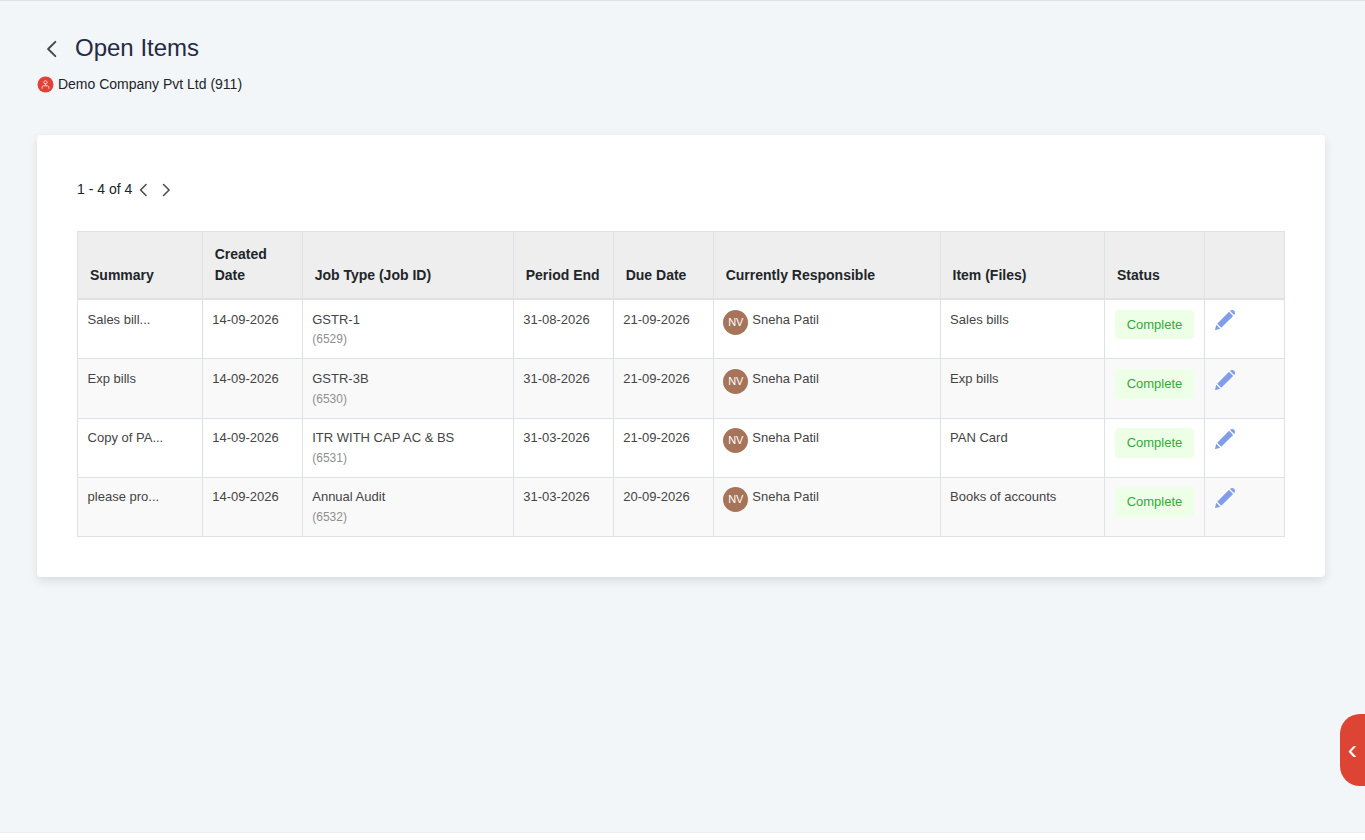
Six obligations, four authorities, one register
Each element has its own threshold, base and date. The register that pays salaries has to satisfy all of them at once.
| Element | Applies when | Base and rate | Monthly obligation |
|---|---|---|---|
| Provident Fund | 20 or more employees; voluntary earlier | Wages up to ₹15,000 a month by law, higher by policy; 12 percent each from employee and employer | Contribution and ECR by the 15th; UAN for every joiner; exits and transfers processed; international workers on full salary |
| ESI | 10 or more employees in most states | Employees earning up to ₹21,000 a month; 0.75 percent employee, 3.25 percent employer | Contribution by the 15th; joiners registered before the first wage; half-yearly returns |
| Professional tax | State law; most states from the first employee | Slabs by state on monthly salary, capped at ₹2,500 a year | Deducted monthly; paid and returned on the state’s schedule; registration renewed where the state requires |
| Salary TDS | Any employee whose projected income exceeds the exemption limit | Projected annual income after the employee’s declared regime and deductions | Deducted each month; deposited by the 7th; Form 138 quarterly; Form 130 to every employee by 15 June |
| Labour welfare fund and shops and establishments | State law | Small periodic contributions; registration of the establishment | Contribution on the state’s cycle; registers and returns kept |
| Gratuity, bonus and leave | Gratuity after five years, or one year for fixed-term staff; statutory bonus within the wage limit | Provision every month, payment on exit or at year end | Actuarial or formula provision in the books; bonus paid within eight months of year end |
From inputs to filings in one pass
Payroll fails when inputs arrive late and approvals happen in a chat. The cycle below fixes both.
Inputs closeAttendance, leave, joiners, exits, salary changes and reimbursements requested from you with a date, so nothing is missed.
Register preparedGross to net for every employee: PF, ESI, professional tax and TDS on projected income. Variances against last month explained.
You approveOne register, one total, one approval. Payslips released after payment, never before.
Salary paid, books postedBank file prepared; salary, employer contributions and deductions booked the same day, by department where you want it.
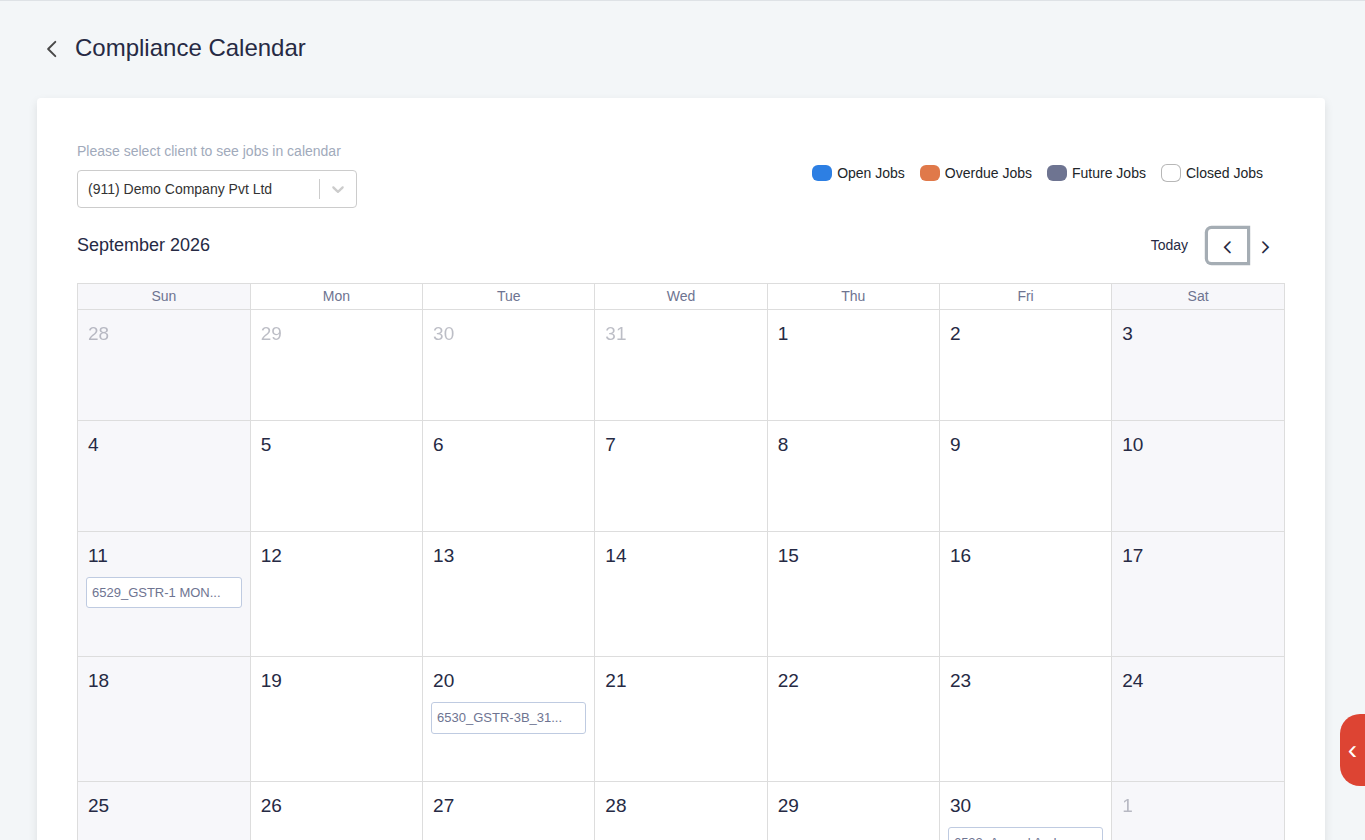
DepositsTDS deposited by the 7th, PF and ESI by the 15th, professional tax on the state’s date. Each one on its date, with the challan filed.
Returns and certificatesForm 138 each quarter, Form 130 to every employee by 15 June, ESI half-yearly, state returns, and the tax declarations collected before January.
What changed on 21 November 2025
The Codes did not add new filings. They changed the base and the entitlements, which is where payroll cost moved.
The Codes on Wages, Social Security, Industrial Relations and Occupational Safety replaced 29 laws. Central rules followed on 8 May 2026; State rules through the year.
Allowances excluded from wages are capped at half of total pay. PF, gratuity and leave encashment are computed on the higher base, and salary structures built on a low basic have to be reset.
Fixed-term employees earn gratuity after one year, and the same benefits as permanent staff in proportion to tenure. Provisions in the books change accordingly.
Beyond eight hours a day or forty-eight a week, overtime is paid at twice the ordinary rate. Attendance records now decide payroll cost.
A written appointment letter is mandatory for every employee, including those hired before the Codes. The letter is also the document the PF and ESI inspectors ask for first.
The PF wage ceiling of ₹15,000 was reaffirmed on 29 May 2026 and the ESI ceiling stays at ₹21,000. The Codes changed what counts as wages, not the ceilings.
The register belongs to finance as much as to HR
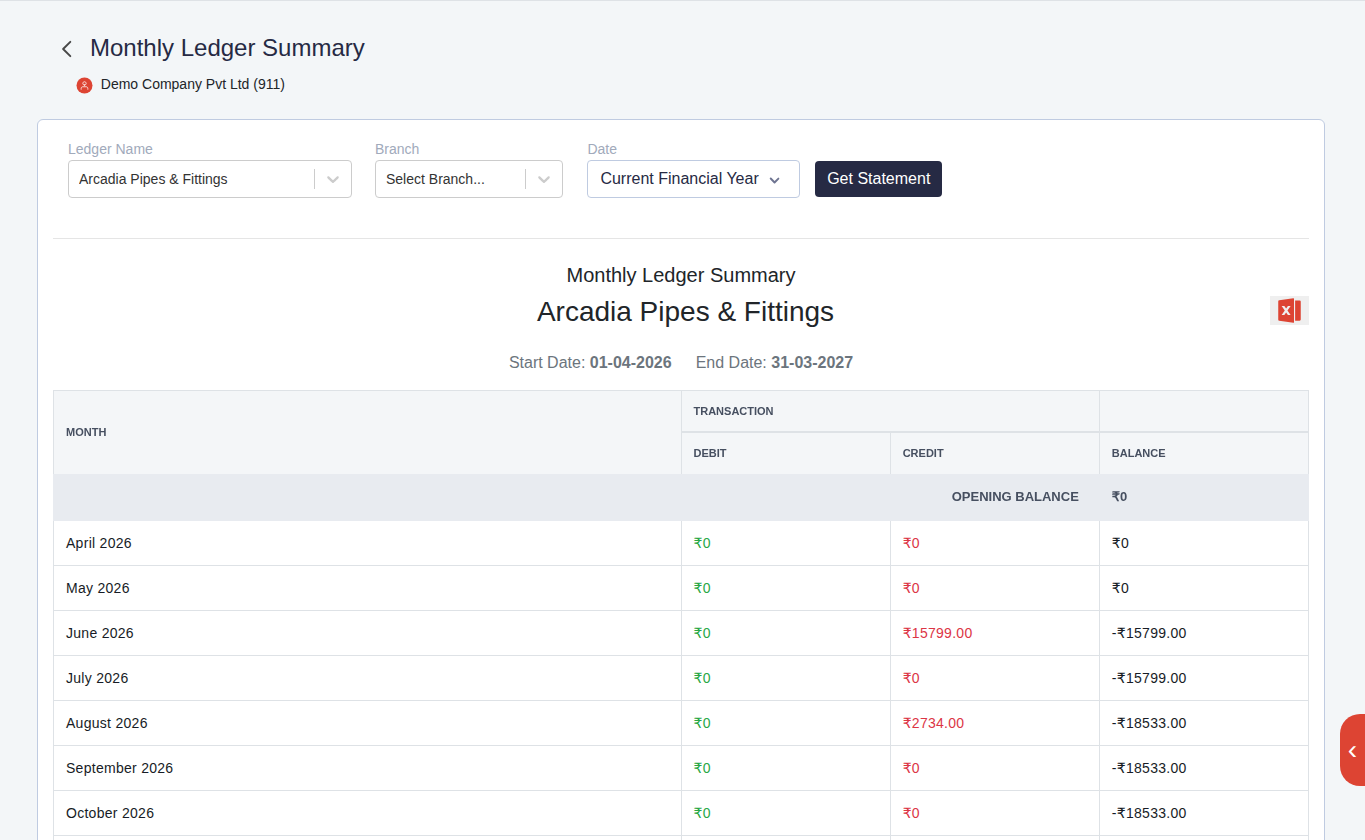
Salary, employer contributions, reimbursements and provisions are the largest cost line in most service businesses. Finac books them the day salary is paid, by department if you want it that way, with the deductions as liabilities until they are deposited. The month-end pack then shows people cost against revenue without a spreadsheet.
- Payroll journal posted on pay day, contributions and deductions as liabilities
- Gratuity and leave provisions every month, not at the audit
- Reimbursements checked against policy and GST where it applies
- Cost by department or project where the business is run that way

Five payroll mistakes we correct in the first month
Deposits on the wrong date
TDS on the 15th and PF on the 7th, swapped by habit. Interest at 1.5 percent a month on the tax side, damages up to 100 percent on the PF side.
Joiners without a UAN
A new employee paid for two months before the PF registration is done. Contributions in arrears, and a UAN that does not link to the earlier employer.
Declarations never collected
Tax deducted on the wrong regime because nobody asked. The employee finds out in the Form 130 and the company files a correction.
One state’s rules in three states
Professional tax paid to the head-office state for staff sitting elsewhere. Each state wants its own registration, slab and return.
Payroll never reaches the books
Salary paid from the bank, employer contributions forgotten, provisions for gratuity and leave never made. The P&L is wrong by a month of cost.
Frequently asked
From which band does Finac run payroll?
Growth and above. Foundation covers salary TDS and the payroll journal for a founder-only or two-person company. Once there are employees with PF, ESI or professional tax, payroll is run inside the Growth band from ₹10,000 a month, scoped to headcount and states.
Which payroll software do you use?
Yours, if you have one that works: Zoho Payroll, Keka, greytHR and RazorpayX Payroll are all common among Finac clients. If you have none, Finac runs payroll on its own system and you receive the register, the payslips and the filings. Either way the payroll cost, the deductions and the employer contributions land in the books the same day.
What do we have to send you each month?
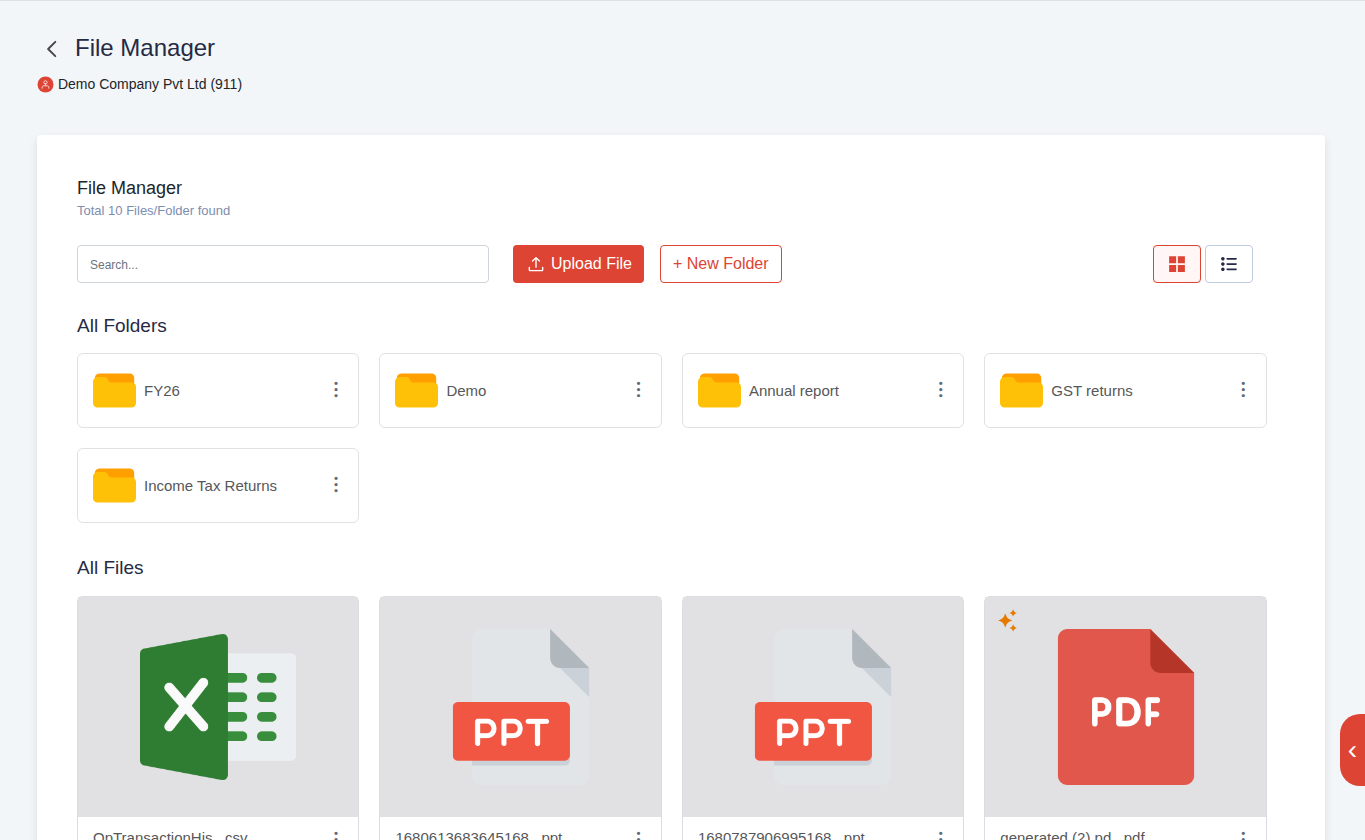
Attendance and leave, joiners and exits, any salary changes, reimbursement claims, and once a year each employee’s tax declaration and proofs. Finac asks for these with a date, on the platform, so nothing is lost in a chat thread.
What changed under the Labour Codes?
The four Codes came into force on 21 November 2025, with the Central rules notified on 8 May 2026 and State rules following. Wages for PF, gratuity and leave encashment must be at least half of total pay, which raises contributions where the basic was kept low. Fixed-term employees earn gratuity after one year. Overtime is at twice the ordinary rate. Every employee is entitled to an appointment letter.
Do you handle expatriates and international workers?
Yes. International workers are covered by the Provident Fund on full salary with no wage ceiling unless a social security agreement applies, tax residency is tracked by days in India, and salary paid abroad for work in India is taxed here. This is routine in the CFO band and for foreign-owned subsidiaries.
What happens when an employee leaves?
Full and final settlement with leave encashment, gratuity where due, recovery of advances and notice pay, Form 130 for the part year, PF exit marked and transfer or withdrawal supported, and ESI exit. Finac runs the settlement within the wage period, which the Codes now require.
Payroll, run for you, from ₹10,000 a month
Eighteen questions, two minutes. Headcount, states and payroll needs all count. Finac engagements start at ₹6,999 a month and rise with the work.
Finac is the outsourced finance department for growing Indian businesses, run by AKSSAI ProjExel Private Limited, a professional services firm of qualified accountants, tax and compliance specialists, many of whom have worked at MNCs and Big Four firms. Our teams work from Bangalore, Jaipur, Noida, Jabalpur, Bhopal and Indore, and we serve clients in the USA, UK, Taiwan and Australia remotely. Fees exclude GST. Rules summarised as in force on the review date under the Labour Codes, the EPF and ESI Acts, State professional-tax laws and the Income-tax Act 2025; form numbers follow the Income-tax Rules 2026. Screens shown are from a demonstration company on the Finac platform. Reviewed 24 September 2026.