




Set up in India with a finance function that reports like the parent expects
A foreign company entering India inherits every date an Indian company has, then adds the Reserve Bank’s, the transfer-pricing officer’s and the parent’s. Finac’s India Entry Setup takes the subsidiary from the board decision to its first close, and controllership then runs it on the group’s calendar, in the group’s currency and format.
Four ways in. One of them is right for almost every operating business.
The structure decides what the entity may do, how it is taxed and what it reports for as long as it exists. It is the one decision that is expensive to change later.
| Vehicle | Form and people | What it may do | How it is taxed | Reporting |
|---|---|---|---|---|
| Wholly owned subsidiary | Private limited company. Two shareholders (the parent and a nominee), two directors, one resident in India for 182 days in the year. | Any permitted activity. Automatic route in most sectors; government approval for restricted sectors and for investors from land-border countries. | Indian company. 22% plus surcharge and cess under the concessional regime. Transfer pricing on every group transaction. | FC-GPR within 30 days of each allotment. FLA by 15 July. Statutory audit, AOC-4 and MGT-7 every year. |
| Branch office | Extension of the parent. Parent profitable in the five preceding years with net worth of USD 100,000 or more. | Eight permitted activities: export and import, consultancy, research, promoting collaborations, representation, IT and software, technical support, airline and shipping agency. No retail trading, no manufacturing. | Foreign company. 35% plus surcharge and cess. Permanent establishment of the parent. | Form FNC through an AD bank. FC-1 with the Registrar within 30 days. Annual activity certificate by 30 September. |
| Liaison office | Representative office. Parent profitable in the three preceding years with net worth of USD 50,000 or more. | Market research, promotion and communication only. No revenue, no contracts, no invoicing. Approval for three years, renewable. | Not taxable where the activities stay within the approval. Funded entirely by inward remittance. | Form FNC through an AD bank. FC-1 within 30 days. Annual activity certificate by 30 September. |
| Limited liability partnership | Two designated partners, one resident in India. Foreign investment permitted in sectors open to 100% automatic-route FDI. | Any permitted activity. Cannot issue shares, so unsuited to outside investors and most lenders. | Partnership taxation at 30% plus surcharge and cess. No dividend distribution layer. | Form FDI-LLP(I) within 30 days of capital contribution. FLA by 15 July. Form 8 and Form 11 every year. |
Investors from countries sharing a land border with India need government approval under Press Note 3 of 2020 regardless of sector. Rates stated exclude surcharge and cess. GIFT City IFSC units follow a separate regime, which AKSSAI supports through its own IFSC presence.
From board decision to first close
Six stages, several running in parallel. The bank account and the RBI report are where timelines slip, so they are planned first.
Decide and documentVehicle, sector route, share capital, directors and the nominee shareholder. Parent documents notarised and apostilled. Name reserved.
IncorporateSPICe+ with PAN, TAN, EPFO, ESIC and professional tax through AGILE-PRO-S. Certificate of incorporation. Registered office proof.
Bank and capitalAccount opened after KYC on directors and beneficial owners. Subscription money remitted. Inward remittance certificate collected.
Report to the RBIShares allotted within 60 days of receipt. Valuation certificate. FC-GPR filed on FIRMS and acknowledged. INC-20A within 180 days.
Register and hireGST with letter of undertaking for exports. Shops and establishments. Intercompany agreement signed. First employees on payroll.
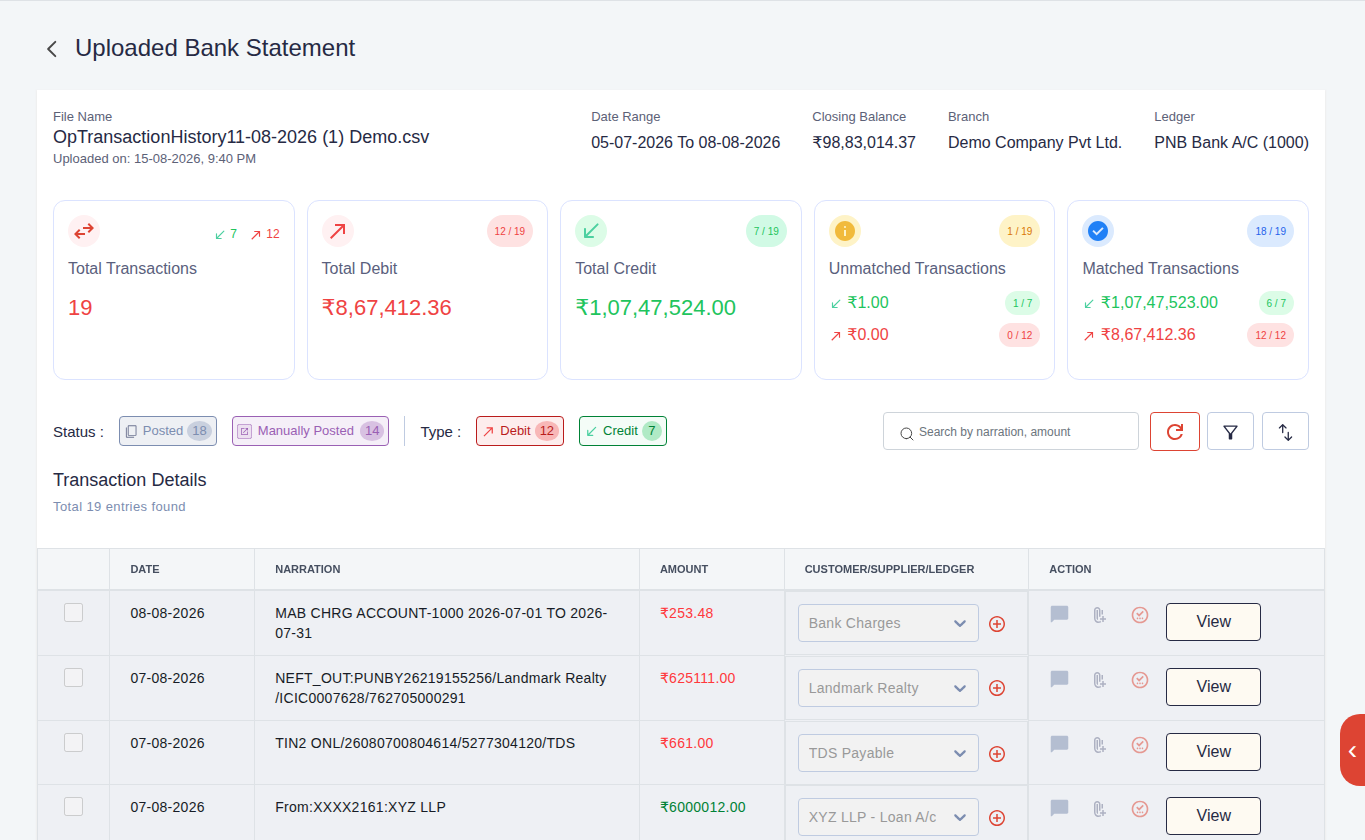
First closeBooks from the bank statement, intercompany invoice raised, TDS deposited, GST returns filed, the first pack in the parent’s format and currency.
Six dates that decide whether the subsidiary stays compliant
None of these appear on a domestic company’s calendar. Each carries a fee, a compounding application or a lost treaty rate if missed.
From each share allotment to the parent. Filed on the RBI’s FIRMS portal with the inward remittance certificate, KYC and a valuation certificate. Late filing carries a late submission fee, and compounding for older delays.
Every year, whether or not fresh capital came in. Reports the parent’s holding and every outstanding intercompany balance at 31 March.
The transfer-pricing accountant’s report on every transaction with the parent and group companies, on the form introduced by the Income-tax Rules 2026. The tax return follows by 30 November. Master file where thresholds are met.
Royalties, fees for technical services, interest and management charges are taxed at source. Treaty rates need the parent’s tax residency certificate, the electronic Form 41 (formerly 10F) and a no permanent establishment declaration on file before the remittance, with the remittance declaration and accountant’s certificate (Forms 145 and 146, formerly 15CA and 15CB) at the bank.
Declaration that subscription money has been received, filed before the company may start business or borrow. Missed by more foreign subsidiaries than any other filing.
The Indian year closes on 31 March. A December parent needs a monthly close that consolidates cleanly across the two years, or an application to align the subsidiary’s year with the parent’s.

The group call, from the Indian side
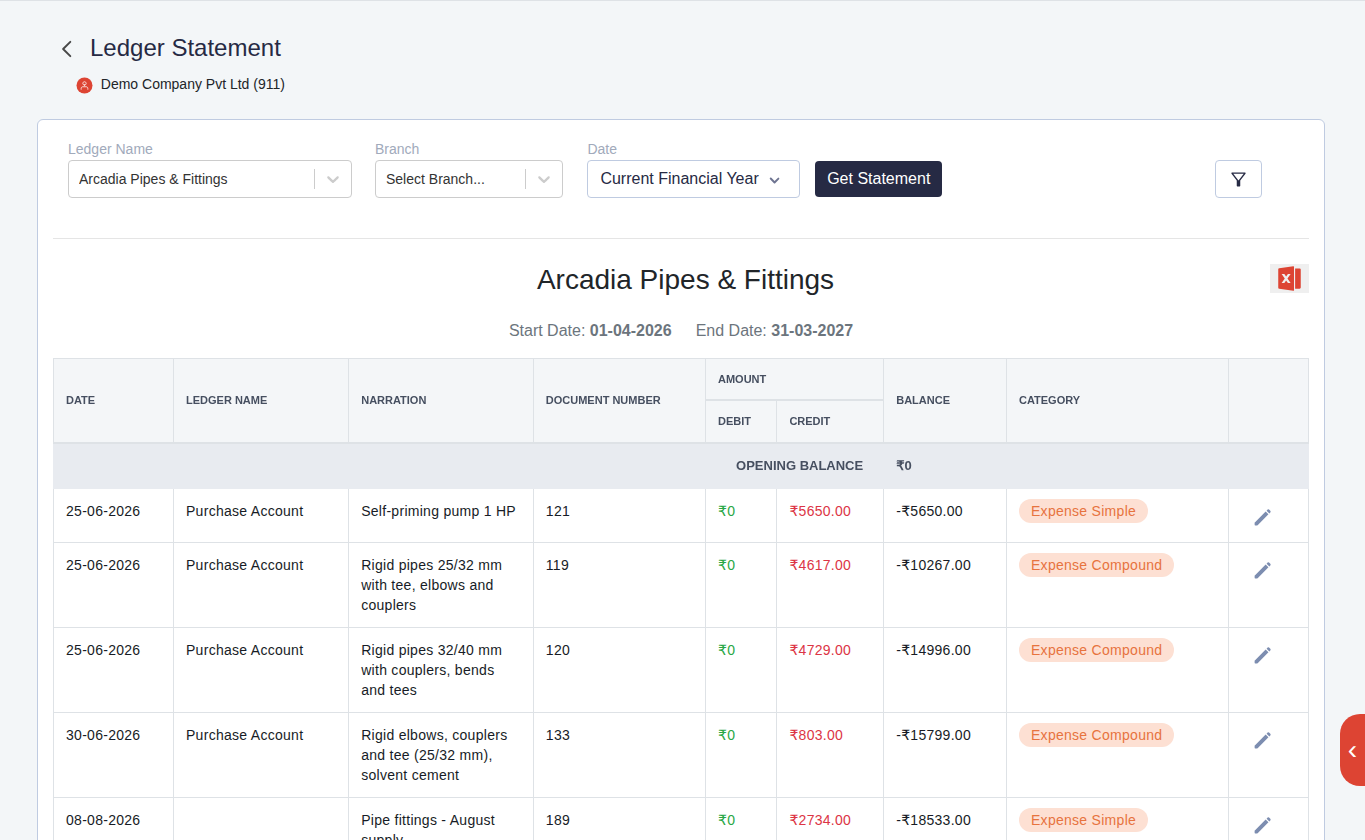
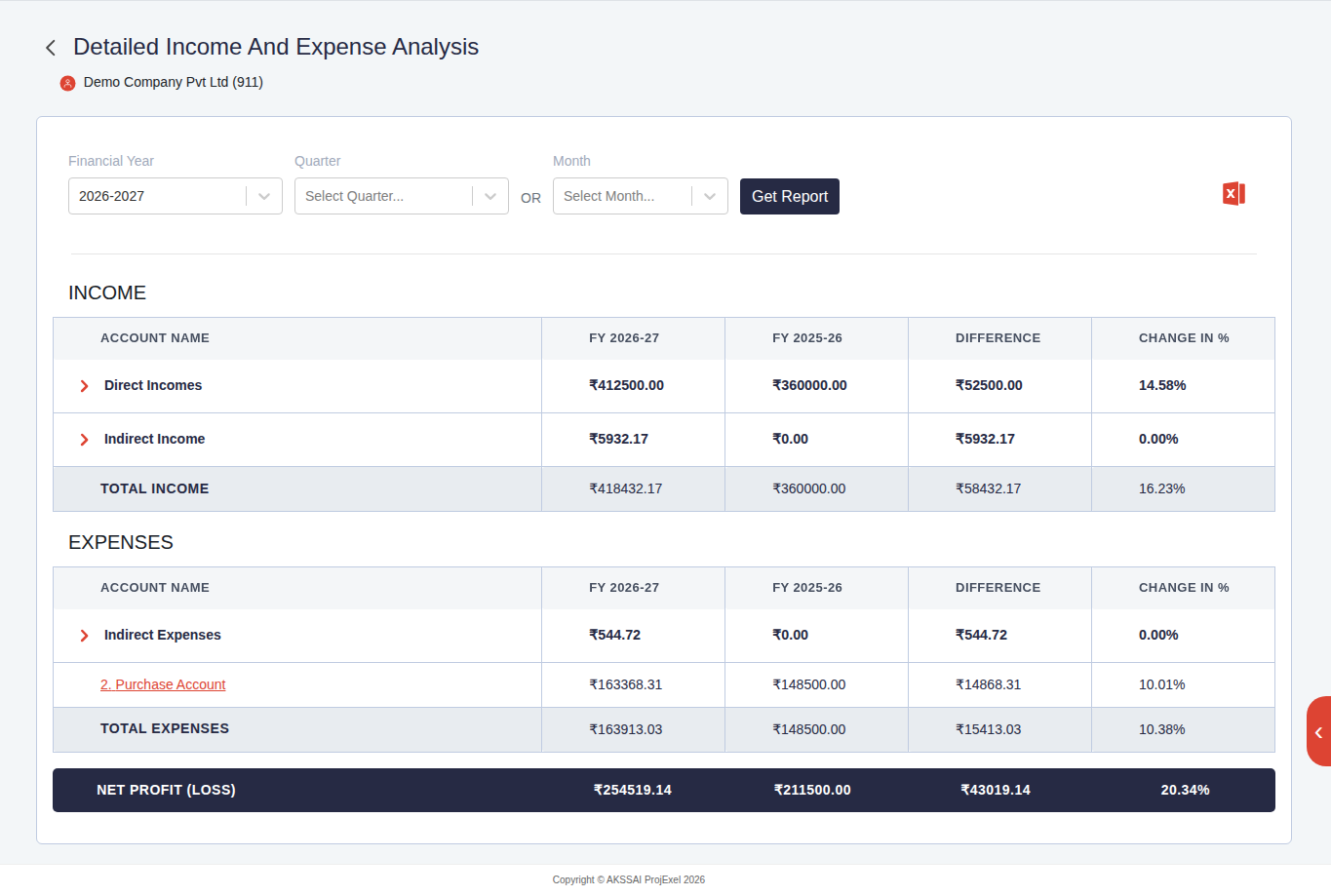
Group finance asks the same questions in every country: is the close done, does intercompany agree, where is cash, what changed. The subsidiary’s finance lead should answer without looking anything up. That is who Finac puts on the call.
Setup for the first eight weeks, controllership from then on
Decision to first close
- Vehicle and sector route confirmed in writing, with the Press Note 3 check for the investor’s jurisdiction
- Incorporation coordinated end to end: name, directors, resident director, registered office, SPICe+, DIN, PAN and TAN
- Bank account, capital remittance, allotment within 60 days, valuation certificate and FC-GPR filed and acknowledged
- GST with letter of undertaking, professional tax, shops and establishments, IEC where goods move, SOFTEX registration where software is exported
- Intercompany services agreement and arm’s-length pricing policy, usually cost plus for a captive, with the invoicing routine
- Reporting template in the parent’s currency and format, chart of accounts mapped to the group’s, close calendar agreed with group finance
- Payroll set up including international workers under the Provident Fund rules, and the first month’s books
Every month after
- Month-end close by working day 3 to 5 on the parent’s calendar, reported in the parent’s currency and format
- Intercompany invoice, mark-up and settlement reconciled and confirmed on both sides every month
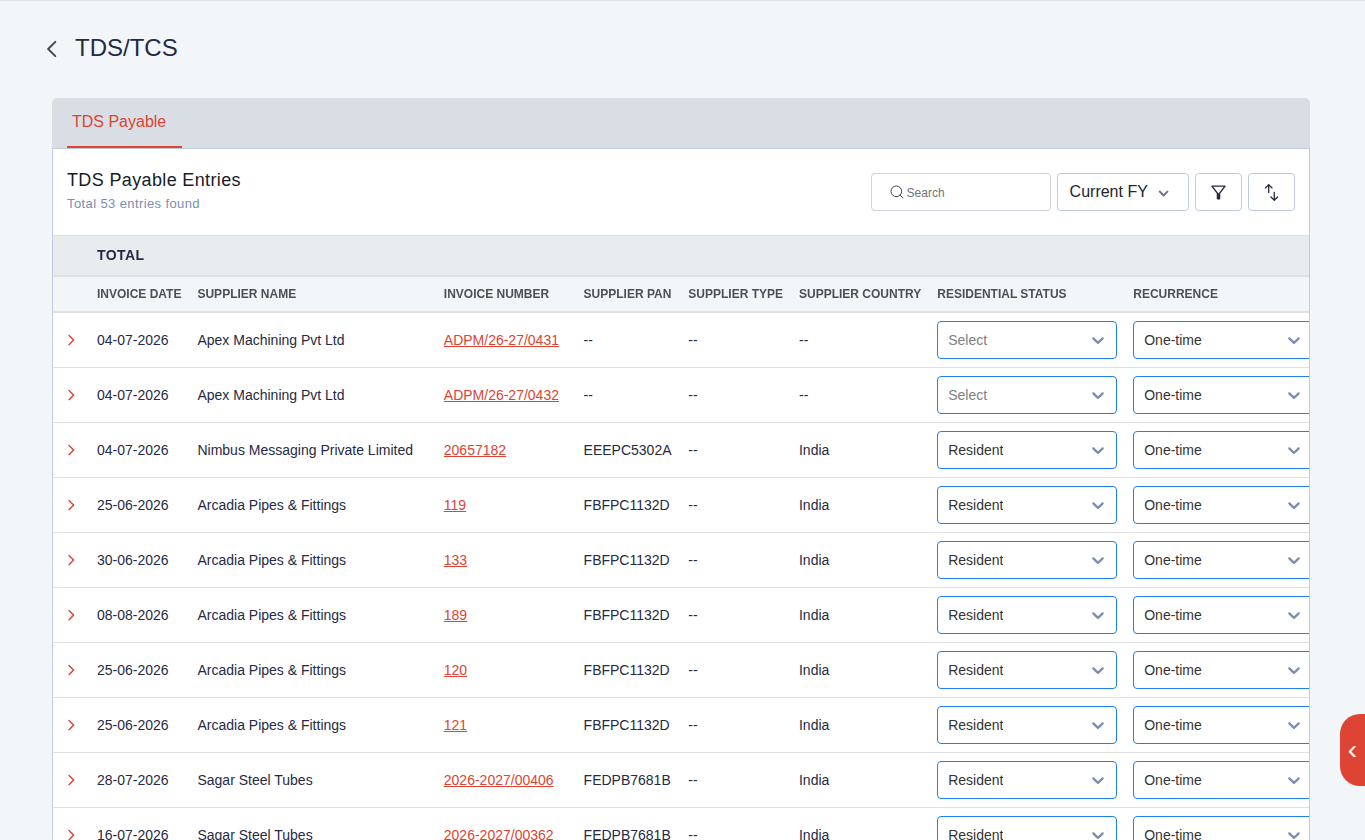
- GST returns, TDS deposits and quarterly statements, with withholding on every payment to the parent handled with the certificates on file
- Payroll with expatriate and international-worker treatment, Provident Fund, ESI and professional tax by state
- FEMA calendar kept: FLA, FC-TRS on any transfer, downstream investment reporting, annual KYC with the AD bank
- Transfer-pricing documentation, the Form 48 accountant’s report and the statutory audit coordinated; Registrar filings AOC-4, MGT-7, DPT-3, MSME-1 and BEN-2
- One point of contact in India who has sat on the other side of a group finance call
Two fees, both scoped before work starts
Fees exclude GST. Government fees, stamp duty, the valuation certificate and the AD bank’s charges are billed at cost.
India Entry Setup
- Vehicle, route and capital structure
- Incorporation and registrations coordinated
- First FC-GPR filed and acknowledged
- Intercompany agreement and pricing policy
- Parent reporting template and first month’s books
Subsidiary controllership
- Close by working day 3 to 5 on the group calendar
- Parent-format and parent-currency pack
- Intercompany reconciled both sides
- GST, TDS, payroll, FEMA and Registrar calendar kept
- Transfer pricing and audit coordinated
Situations that need a conversation first
- FEMA regularisation: missed FC-GPR, FLA or FC-TRS filings and compounding
- Taking over a subsidiary from a previous provider mid-year
- GIFT City IFSC units
- Closure or conversion of a branch or liaison office
Frequently asked
Which vehicle should a foreign company use to operate in India?
For an operating business, a wholly owned subsidiary incorporated as a private limited company. It can trade in any permitted sector, hire, own assets, contract in its own name and receive foreign investment under the automatic route in most sectors. A branch is confined to eight permitted activities and taxed at foreign-company rates. A liaison office cannot earn income. An LLP works for professional services but is less familiar to lenders and investors.
How long does it take to be operational?
Plan for eight to ten weeks from the board decision to the first invoice. Incorporation takes two to four weeks once the parent’s documents are notarised and apostilled. The bank account, the capital remittance and the GST registration take a further three to five weeks, often in parallel. Payroll starts with the first hire.
What does the Reserve Bank need to see?
Form FC-GPR on the FIRMS portal within 30 days of each share allotment to the parent, with the bank’s inward remittance certificate, KYC on the remitter and a valuation certificate. Shares must be allotted within 60 days of the money arriving. The Foreign Liabilities and Assets return is due every 15 July. Any transfer of shares between a resident and a non-resident is reported on FC-TRS within 60 days.
How is a captive service subsidiary taxed?
As an Indian company, at 22 percent plus surcharge and cess under the concessional regime, on profits computed after an arm’s-length mark-up on services to the parent. The mark-up is documented every year and certified on Form 48, the accountant’s report that replaced Form 3CEB, by 31 October. Services exported to the parent are zero-rated for GST under a letter of undertaking, so input tax is refunded rather than absorbed.
Can the subsidiary follow the parent’s financial year?
The Indian financial year runs 1 April to 31 March. A subsidiary of a company incorporated outside India can apply to the Central Government to adopt the parent’s year for consolidation. Most groups keep 31 March for India and consolidate on a calendar-year basis from monthly closes. Finac runs the close on the parent’s calendar either way.
Does Finac handle the branch or liaison office route?
Yes. The application on Form FNC through an authorised dealer bank, the eligibility evidence on the parent’s profits and net worth, the Registrar filing on FC-1 within 30 days of establishment, and the annual activity certificate every 30 September. The India Entry Setup fee is the same. The ongoing scope is smaller because a branch or liaison office keeps a narrower set of books.
What does the India Entry Setup cost?
₹49,999 to ₹75,000 one-time, excluding GST, led by the founder. It covers the structure decision, incorporation coordination, registrations, the first FEMA filing, the intercompany agreement and pricing policy, the parent reporting template and the first month’s books. From the second month the subsidiary runs in the CFO band, from ₹75,000 a month, scoped to entities, headcount and reporting depth.
Tell us about the parent and the plan
Eighteen questions, two minutes. A request from a foreign parent goes straight to the founder, Anil Sharma, and the first conversation is with him.
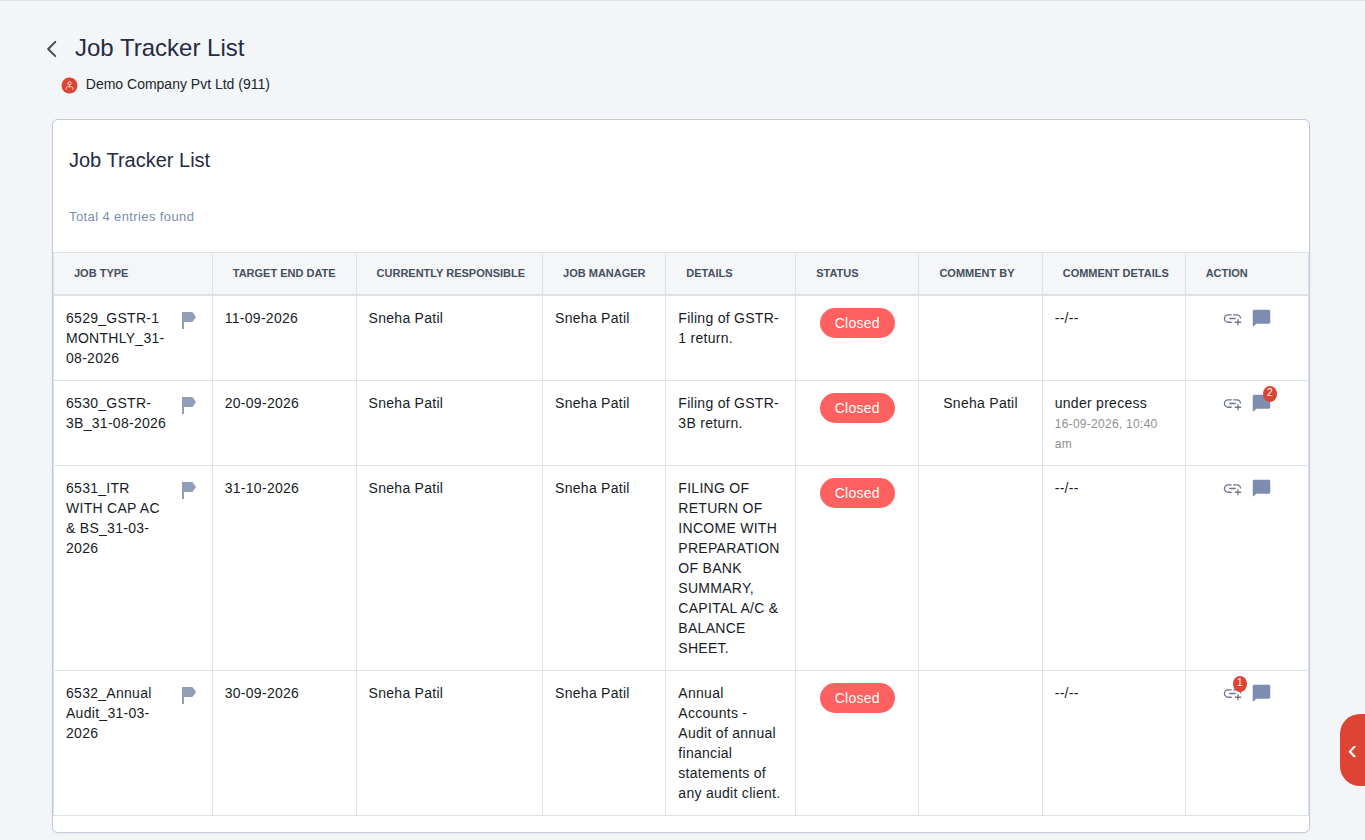
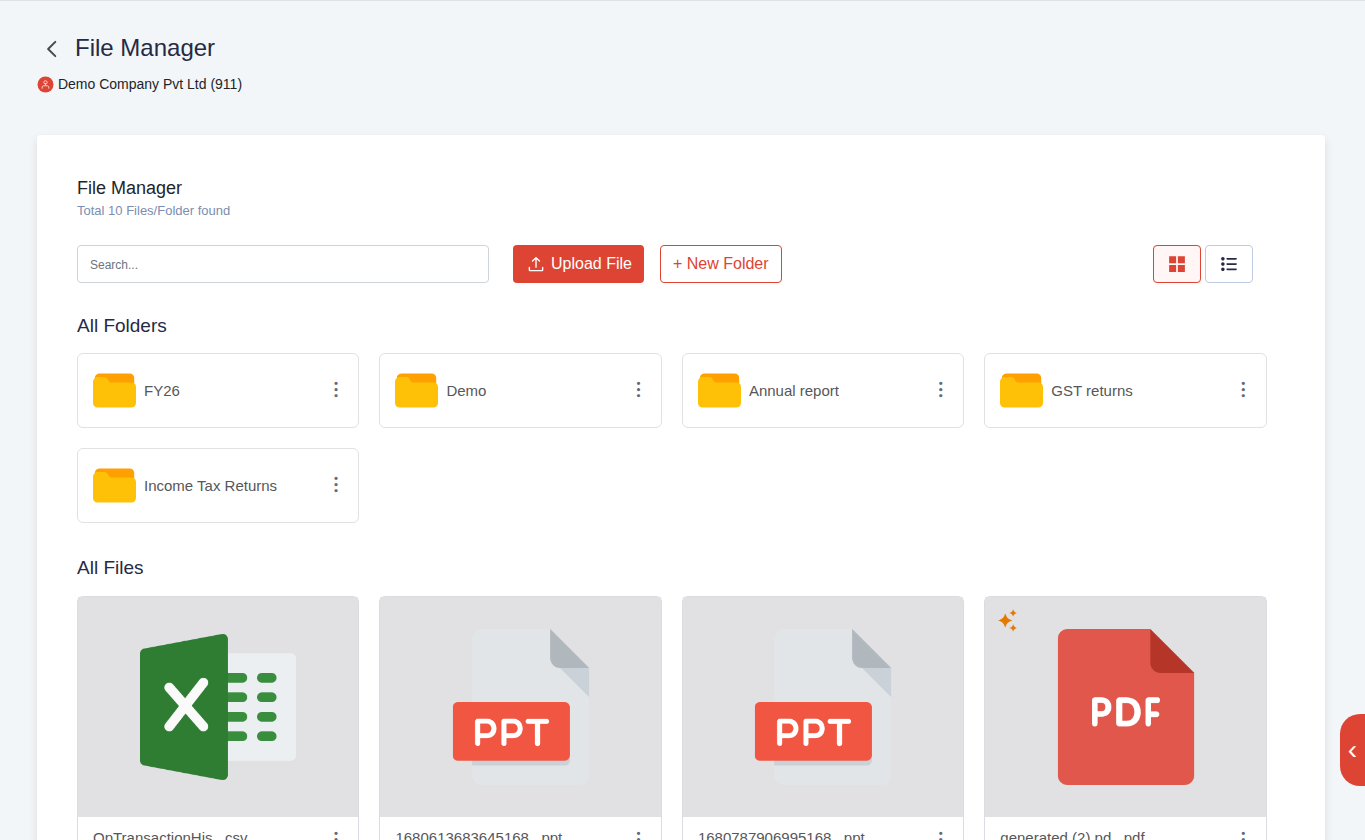
Finac is the outsourced finance department for growing Indian businesses, run by AKSSAI ProjExel Private Limited, a professional services firm of qualified accountants, tax and compliance specialists, many of whom have worked at MNCs and Big Four firms. Our teams work from Bangalore, Jaipur, Noida, Jabalpur, Bhopal and Indore, and we serve clients in the USA, UK, Taiwan and Australia remotely. AKSSAI has entities in GIFT City, the United States and the United Kingdom. Fees exclude GST. Regulatory references are to the Companies Act 2013, FEMA, the Income-tax Act 2025 and the rules made under them as in force on the review date; form numbers follow the Income-tax Rules 2026; they are a summary and each subsidiary is advised on its own facts. Screens shown are from a demonstration company on the Finac platform. Reviewed 24 September 2026.